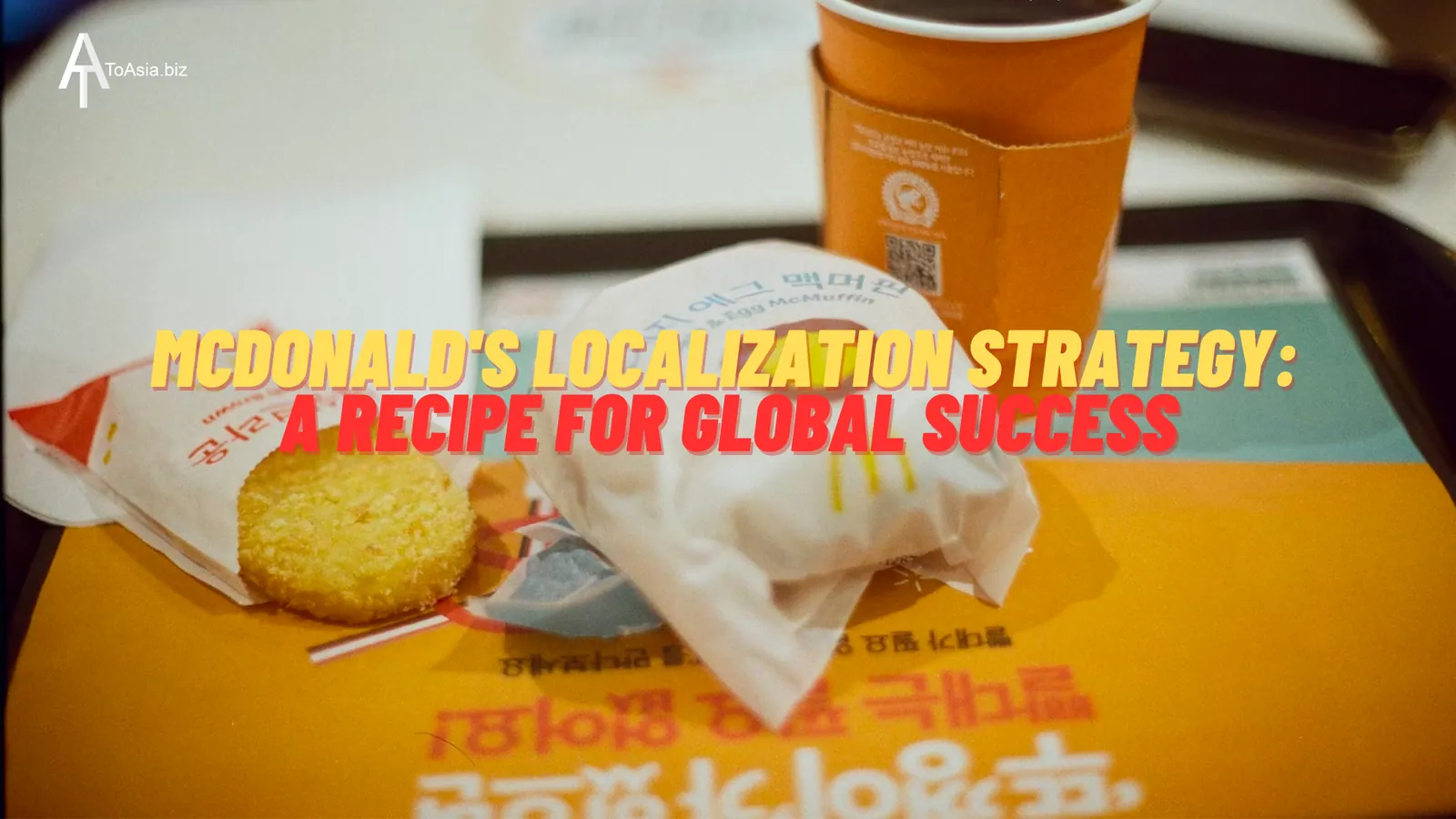
What is McDonald’s localization strategy?
With 45,356 restaurants in 114 countries at the end of 2025, McDonald’s is the textbook example of “think global, act local”. The Golden Arches, the Big Mac, fries and the service model are the same everywhere. Around that core, each market adds dishes, flavours, prices and campaigns built for local tastes, religion and pop culture.
Localization means adapting a product or service to the needs and preferences of a specific market. In Asia, McDonald’s localizes on four layers:
Menu
Local items next to global icons, plus ingredient rules for religion and diet: no beef in India, halal in Malaysia and Indonesia.
Marketing
Campaigns built on local culture: anime, K-pop, games, festivals and seasonal moments such as Japan’s moon viewing.
Operations
Local suppliers, local prices and local channels, from WeChat ordering in China to rice meals in the Philippines.
Ownership
In most of Asia, local partners own and run the business under licence. They decide much of what gets localized.
India: a menu without beef or pork
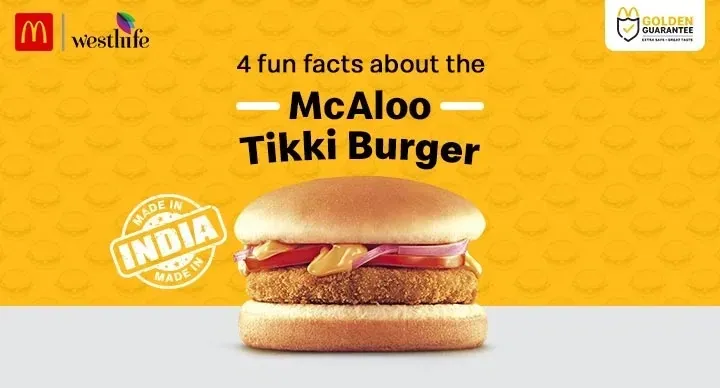
India needed the biggest menu changes. Many Indians are vegetarian, and beef and pork are widely avoided for religious reasons, so McDonald’s India serves neither. The 757 restaurants (end of 2025) are run by two local partners: Westlife Foodworld in the west and south, with 492 restaurants in 80 cities by September 2026, and MMG Group in the north and east. Their menus are built around:
- McAloo Tikki: a vegetarian burger with a spiced potato and pea patty, still the entry-price hero.
- Maharaja Mac: India’s take on the Big Mac, launched with lamb and now made with chicken.
- Paneer and Veg Pizza McPuff and other vegetarian items unique to India.
- Separate vegetarian kitchens and options suitable for the Jain community.
- Protein Plus slice (2025): a plant-based protein slice developed with the government research institute CSIR-CFTRI, added to any burger. It responds to research showing most Indian diets are low in protein.
The Protein Plus launch shows how localization has moved on: it is no longer just about avoiding ingredients, but about solving a local health concern with a product only India gets.
China: speed, value and a local-first supply chain
China is McDonald’s second-largest market and its fastest-growing. It ended 2025 with 7,740 restaurants after opening more than 1,000 in a single year, and plans around 1,000 more a year to reach 10,000 by 2028. McDonald’s China now has a presence in every province. How it localizes:
- Local flavours: spicy chicken products, chicken thigh meat, taro pie and congee sit next to the Big Mac.
- Value pricing: breakfast sets from 9.9 yuan and value meals around 22.9 yuan, aimed at price-sensitive customers.
- Local sourcing: more than 90% of ingredients are sourced in China.
- Digital by default: nearly 90% of orders are placed on mobile or at self-order kiosks, and more than 6,000 stores have smart pick-up lockers.
- Ideas that travel back: China-born products and store designs are now shared with the rest of the McDonald’s system.
The ownership model is local too. Since 2017 McDonald’s China has been run by a consortium led by CITIC. McDonald’s bought back Carlyle’s stake in 2023 and now owns 48%, with the CITIC group holding 52%.
Japan: seasonal menus and creative snacks
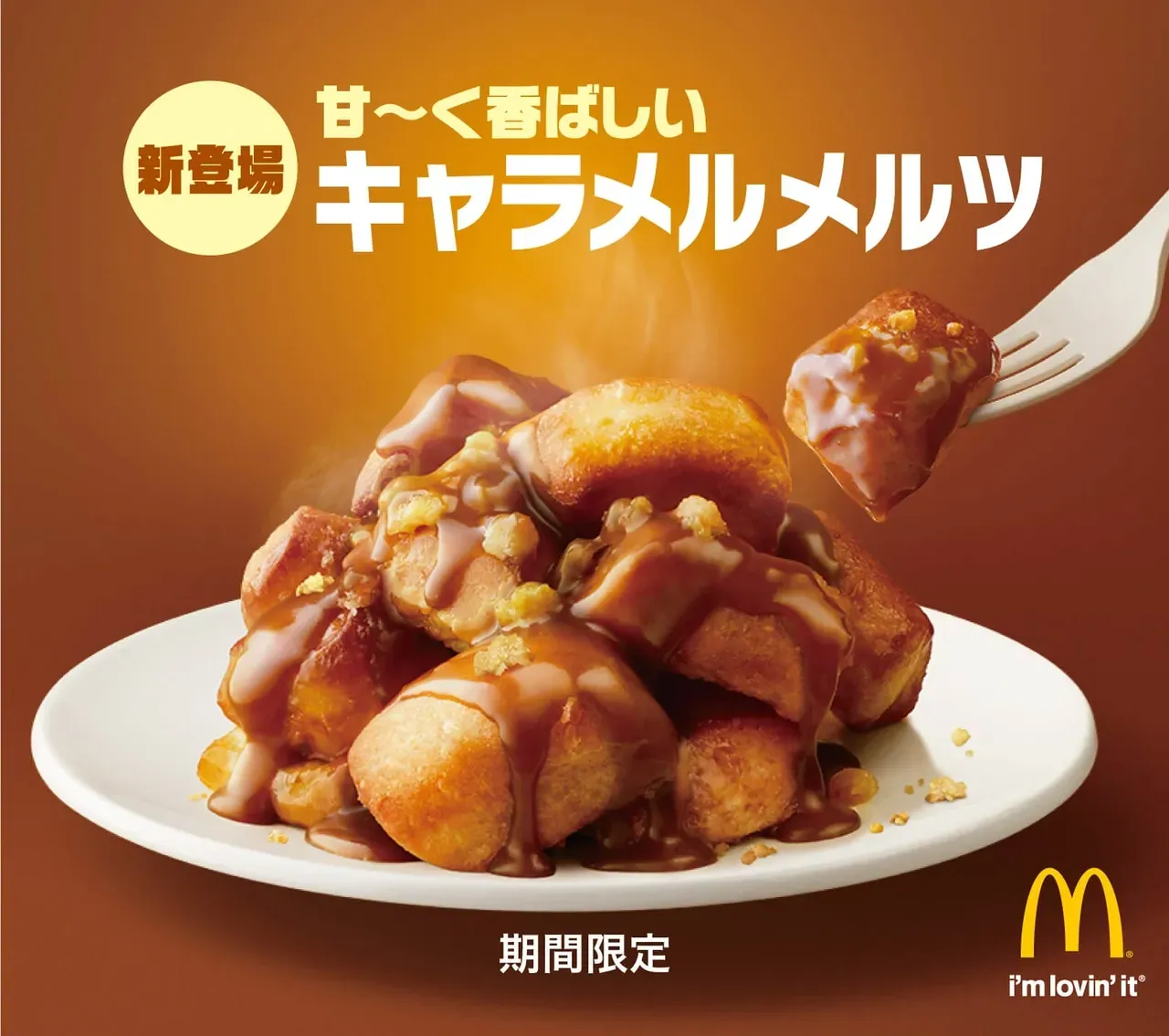
McDonald’s Japan (3,025 restaurants at the end of 2025) runs one of the most inventive menus in the system. Alongside the Teriyaki McBurger and Ebi Filet-O shrimp burger, it relies on a calendar of limited editions that gives customers a reason to come back every few weeks.
The best example is the autumn Tsukimi (“moon viewing”) burger, first sold in 1991. For its 35th year in 2026, McDonald’s Japan offered eight Tsukimi items, including a sukiyaki-style burger and a mochi pie with Hokkaido butter and red bean. Seasonal menus like this have helped McDonald’s Japan grow same-store sales for 40 quarters in a row (to Q3 2025).
South Korea: “Taste of Korea” and regional ingredients
McDonald’s Korea goes beyond Korean flavours to name the town the ingredients come from. Its Taste of Korea project, launched in 2021, builds a limited-edition burger around one regional product each year:
| Item | Local ingredient |
|---|---|
| Changnyeong Garlic Burger | Garlic from Changnyeong (2021) |
| Boseong Green Tea Pork Burger | Green tea from Boseong |
| Jindo Green Onion Cream Croquette Burger | Green onion from Jindo |
| Jinju Pepper Cream Cheese Burger | Peppers from Jinju |
| Iksan Sweet Potato Mozzarella Burger | Sweet potato from Iksan |
| Hongcheon Rice Chips | Rice from Hongcheon (permanent side since 2026) |
From 2021 to 2025 McDonald’s Korea sold about 16.75 million Taste of Korea burgers and more than 30 million items in total, using about 1,000 tonnes of Korean-grown ingredients. The project gives farmers a buyer, gives regions publicity and gives McDonald’s a story local rivals find hard to copy. The Korean business also changed hands: in September 2024 McDonald’s sold it to Kamal Al Mana, its licensee in Qatar and Turkey, who plans to grow from about 400 to 500 restaurants by 2030.
Southeast Asia: rice, halal and strong local rivals
Philippines
“McDo” competes head-on with Jollibee by serving Chicken McDo with rice and a sweet-style McSpaghetti. Local partner Golden Arches Development Corporation, run by the Yang family since 1981, opened its 800th store in June 2025 and holds a new licence to 2045.
Singapore & Malaysia
Halal-certified kitchens are the baseline. The Nasi Lemak Burger, first sold in Singapore in 2017, returns as a limited edition, and Chinese New Year brings the Prosperity Burger.
Vietnam
McDonald’s opened in 2014 but had only 37 stores in 2025, against 213 for Jollibee and 172 for KFC. In early 2026 it was reported to be aiming for about 100 stores within three years. Street food and local chains are tough competition, a lesson Starbucks also learned in Vietnam.
McDonald’s localized marketing campaigns in Asia
- 1
2016: Pokémon Go in Japan
McDonald’s became the first brand partner of Pokémon Go, turning about 3,000 Japanese restaurants into in-game gyms and PokéStops to drive foot traffic.
- 2
2021: the BTS Meal and Taste of Korea
The BTS Meal launched in South Korea and around 50 markets, creating huge social buzz. The same year, McDonald’s Korea launched Taste of Korea with the Changnyeong Garlic Burger.
- 3
2023: NewJeans and anime ads
A NewJeans collaboration launched in South Korea and spread across Asia, while McDonald’s Japan released hand-drawn anime-style ads about everyday relationships that went viral.
- 4
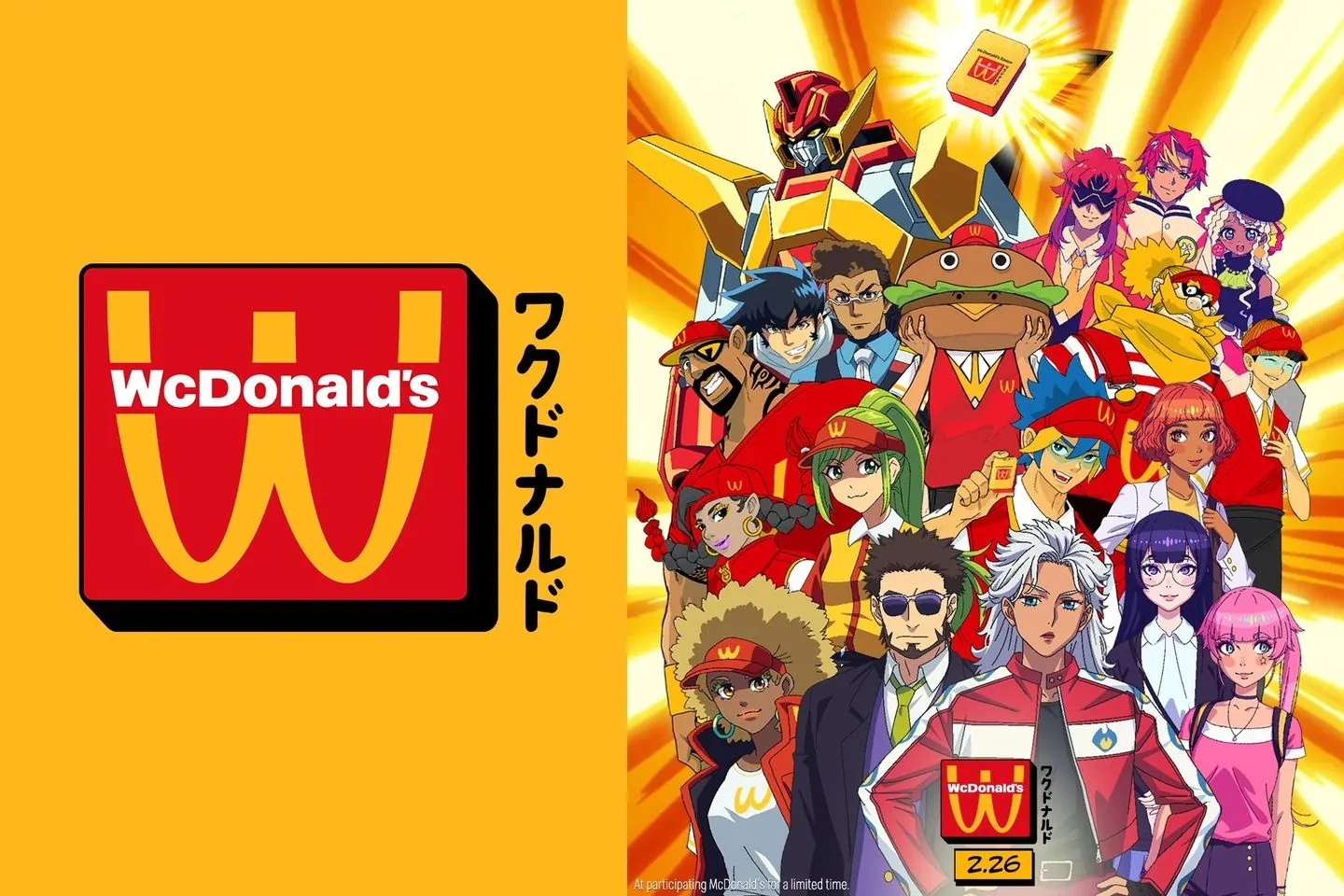
2024: WcDonald’s
From 26 February 2024, McDonald’s flipped its “M” into a “W” worldwide, celebrating the way anime and manga parody the brand as “WcDonald’s”: a campaign born from Asian pop culture and exported globally.
- 5
2026: 35 years of Tsukimi
McDonald’s Japan turned its moon-viewing burger into an anniversary event with eight items and nationwide TV ads, proving a seasonal ritual can become a brand asset.
Local ownership: who runs McDonald’s in Asia?
One reason McDonald’s localizes so well in Asia is that most of it is run by local partners under licence, called “developmental licensees”. The partner funds and operates the restaurants, pays McDonald’s royalties and makes many of the local menu and marketing calls.
| Market | Operator | Model |
|---|---|---|
| China | CITIC-led consortium (52%) with McDonald’s (48%) | Licensee since 2017 |
| Japan | McDonald’s Holdings Japan (listed in Tokyo; McDonald’s is a major shareholder) | Listed local company |
| India | Westlife Foodworld (west & south), MMG Group (north & east) | Regional licensees |
| South Korea | Kamal Al Mana (since 2024) | Licensee |
| Philippines | Golden Arches Development Corp. (Yang family) | Master franchise since 1981, renewed to 2045 |
For smaller brands, the lesson is that your market entry model shapes how well you can localize. A local partner brings suppliers, cultural insight and speed; a wholly owned subsidiary gives you control. Many founders start with their own entity in a hub like Singapore or Hong Kong, then add partners market by market.
When localization goes wrong: recent lessons
Even McDonald’s gets it wrong. Recent setbacks in Asia are as useful as its successes:
- Japan, August 2025: the Pokémon Happy Meal frenzy. A three-day Pokémon card promotion sold out in a day at many stores as resellers bought meals in bulk and some food was thrown away. McDonald’s Japan apologised and introduced purchase limits. Lesson: plan for how local fan and resale culture will react.
- Korea, August 2026: a local burger pulled early. The Chungju corn croquette burger sold more than a million units, then was withdrawn after customers reported small stones in it. Lesson: local sourcing needs the same quality checks as global supply chains.
- Vietnam: slow growth. A strong street-food culture and established local chains kept McDonald’s to a few dozen stores after more than a decade. Lesson: a global brand name is not enough on its own.
- Malaysia and Indonesia, 2024: boycotts. McDonald’s said boycotts linked to the Middle East conflict hurt sales in Muslim-majority markets including Malaysia and Indonesia, and local operators stressed that they were locally owned. Lesson: local perception of a global brand can change quickly, and local ownership and community ties matter.
Think global, act local: 7 lessons for brands entering Asia
- Keep a recognizable core and add local items around it, rather than reinventing everything.
- Respect dietary and religious rules from day one: halal, vegetarian and no-beef requirements are entry tickets, not extras.
- Price for the market. McDonald’s China and India compete on entry-price items, not on global price points.
- Use limited editions to test local ideas cheaply and create urgency, as Japan and Korea do every season.
- Tell a local story. Named regional ingredients and festivals build loyalty that rivals cannot copy.
- Go where local customers already are: mobile ordering, super-apps and delivery in China and Southeast Asia.
- Choose the right local partner and give them room to adapt, while protecting brand standards.
Localization is not just translation; it is about understanding cultural differences. Compare with IKEA’s localization strategy, 7-Eleven’s Asian strategies and why Starbucks struggled in Vietnam.
Frequently asked questions
What is McDonald’s localization strategy?
McDonald’s keeps a consistent global brand and core menu, then adapts menu items, ingredients, prices and marketing to local tastes, religious and dietary rules and pop culture. In most Asian markets this is done by local licensees who know each market.
How does McDonald’s localize its menu in India?
McDonald’s India serves no beef or pork. Its menu features vegetarian items such as the McAloo Tikki and McSpicy Paneer, a chicken Maharaja Mac in place of the Big Mac, separate vegetarian kitchens, options for the Jain community and, since 2025, a plant-based Protein Plus slice.
How many McDonald’s restaurants are there in China?
McDonald’s had 7,740 restaurants in mainland China at the end of 2025, after opening more than 1,000 that year. It plans to reach 10,000 by 2028. McDonald’s owns 48% of the China business and a CITIC-led consortium owns 52%.
What is McDonald’s Korea’s Taste of Korea menu?
Launched in 2021, Taste of Korea is a series of limited-edition items built around ingredients from a named Korean region, such as Changnyeong garlic, Jinju peppers and Iksan sweet potato. About 16.75 million of the burgers were sold from 2021 to 2025.
What are some McDonald’s menu items only in Japan?
McDonald’s Japan offers the Teriyaki McBurger, Ebi Filet-O shrimp burger, rice burgers and the autumn Tsukimi (moon-viewing) burgers, first sold in 1991, plus frequent limited-time snacks and desserts.
Who owns McDonald’s in Asia?
Most Asian markets are run by local partners under licence: a CITIC-led consortium in China, McDonald’s Holdings Japan, Westlife Foodworld and MMG Group in India, Kamal Al Mana in South Korea since 2024, and the Yang family’s Golden Arches Development Corporation in the Philippines.
How many McDonald’s restaurants are there worldwide?
McDonald’s had 45,356 restaurants in 114 countries at the end of 2025, including 7,740 in mainland China, 3,025 in Japan, 757 in India and 401 in South Korea. It is aiming for 50,000 restaurants by the end of 2027.
What was the WcDonald’s campaign?
Starting on 26 February 2024, McDonald’s flipped its “M” logo to a “W” in a global campaign inspired by the way anime and manga parody the brand as “WcDonald’s”.

River Chan is a marketing director of ToAsia.biz with over 10 years of experience in marketing, from strategic planning and project execution to data analysis across different industries.
Sources: McDonald’s Restaurants by Market (31 December 2025) and Q2 2026 results; China Daily (Feb 2026); The Star (Aug 2025); Korea JoongAng Daily (Sep 2024, Aug 2026); The Korea Times (Oct 2025); SoraNews24 (Aug 2026); BNN Bloomberg (Aug 2025); Free Press Journal (Oct 2026); SunStar (Jul 2025); The Investor (May 2026); Al Jazeera (Mar 2024).