
Did Starbucks really fail in Vietnam?
Not in the sense of leaving. Starbucks is still open and still growing in Vietnam, and it opened its 150th store in Ho Chi Minh City on 1 January 2026. But measured against its global reputation, it has never cracked the market. Euromonitor data cited by the BBC put Starbucks at about 2% of Vietnam’s US$1.2 billion coffee-drinking market in 2022, and local chains such as Highlands Coffee still have several times more stores.
In a country of about 100 million people that drinks coffee every day, that makes Starbucks a premium niche rather than a market leader. The reasons come down to localization.
Vietnam’s coffee culture
Coffee in Vietnam is more than a morning pick-me-up. It is a ritual, a social habit and part of the nation’s cultural fabric, and Vietnam is the world’s largest producer of robusta beans.
Phin brewing
Coffee is brewed slowly through a small metal “phin” filter, producing a strong, aromatic cup that drips straight into the glass.
Robusta over arabica
Vietnamese drinkers prefer bold, bitter robusta, often with sweet condensed milk. Starbucks built its brand on 100% arabica.
A social ritual
Coffee means leisure and community: sitting on small stools on the pavement, chatting with friends for hours.
Why Starbucks struggled in Vietnam: 4 reasons
- 1
The menu didn’t match local taste
Vietnamese consumers want a thick, strong brew, above all cà phê sữa đá (iced coffee with condensed milk), and love local twists such as egg, coconut and yogurt coffee. Starbucks’ global arabica menu didn’t speak to that palate, while local brands built their menus around it.
- 2
Prices made it a luxury
A Starbucks latte costs more than double a typical local coffee and several times a street coffee. With the average worker earning about VND 8.3 million (around US$320) a month, Starbucks became an occasional treat rather than a daily habit.
- 3
The wrong format for the culture
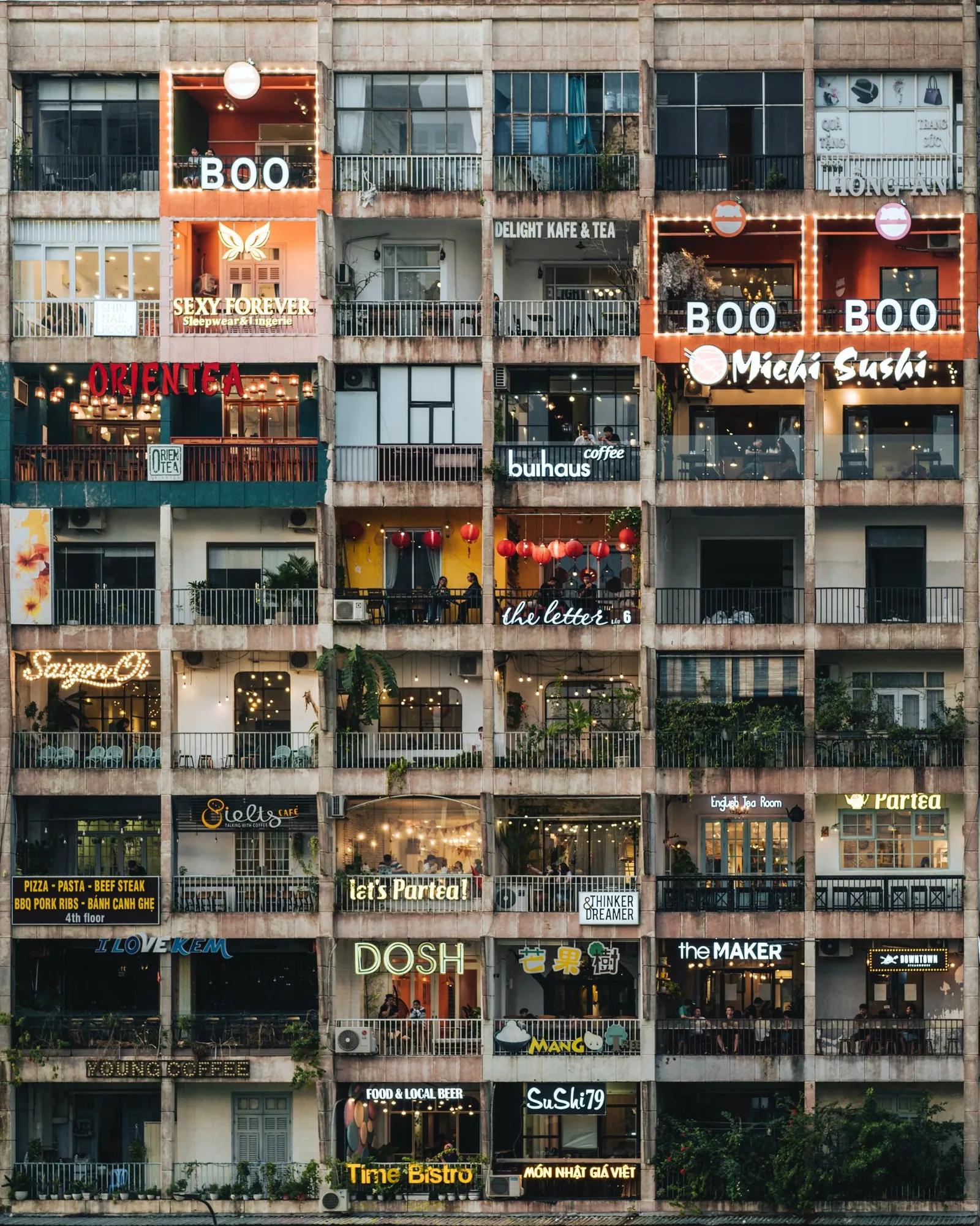
Starbucks invested in prime, high-end central locations. Much of Vietnam’s coffee drinking happens on pavements and in small neighbourhood cafés that are everywhere and cost little.
- 4
Strong local competition
Highlands Coffee, Phuc Long, Trung Nguyen, Cong Caphe and fast-growing chains like Katinat offer local flavours, local branding and local prices. Analysts note that foreign customers still make up much of Starbucks’ core clientele.
How much is a cup of coffee in Vietnam?
| Where | Typical price | Approx. US$ |
|---|---|---|
| Street-stall cà phê sữa đá | VND 15,000–20,000 | about US$0.60–0.80 |
| Local café | Under VND 40,000 | under US$1.60 |
| Starbucks Americano | About VND 60,000 | about US$2.30 |
| Starbucks latte | About VND 70,000 | about US$2.70 |
Prices as reported by The Korea Times in January 2026; they vary by city and venue. US$ conversions are approximate.
How many Starbucks are in Vietnam?
Starbucks reached 150 stores in Vietnam in January 2026, mostly in Ho Chi Minh City and Hanoi. Growth has picked up recently, helped by Reserve stores and openings at universities and tourist sites, but it is still roughly one store for every 670,000 people.
First store opens at New World in Ho Chi Minh City
100th store opens, a decade after entry
125 stores in January, plus new Reserve stores in Ho Chi Minh City
150th store opens on 1 January in Ho Chi Minh City
Who leads Vietnam’s coffee chain market?
Vietnam’s coffee chain market reached about US$725 million in 2025, up 27% in a year, according to Momentum Works. Local brands dominate the store counts.
| Chain | Stores | Positioning |
|---|---|---|
| Milano Coffee | ~2,500 | Low-cost local coffee kiosks |
| Highlands Coffee | 985 | Vietnamese-style coffee at mid-range prices |
| Phuc Long | ~200 | Local tea and coffee |
| Starbucks | 150 | Premium global brand |
| Katinat | 114 | Trendy local café chain |
Store counts from Momentum Works (March 2026) for Milano and Highlands, Tuoi Tre for Phuc Long and Katinat (September 2025) and Starbucks (January 2026).
Localization lessons for brands entering Asia
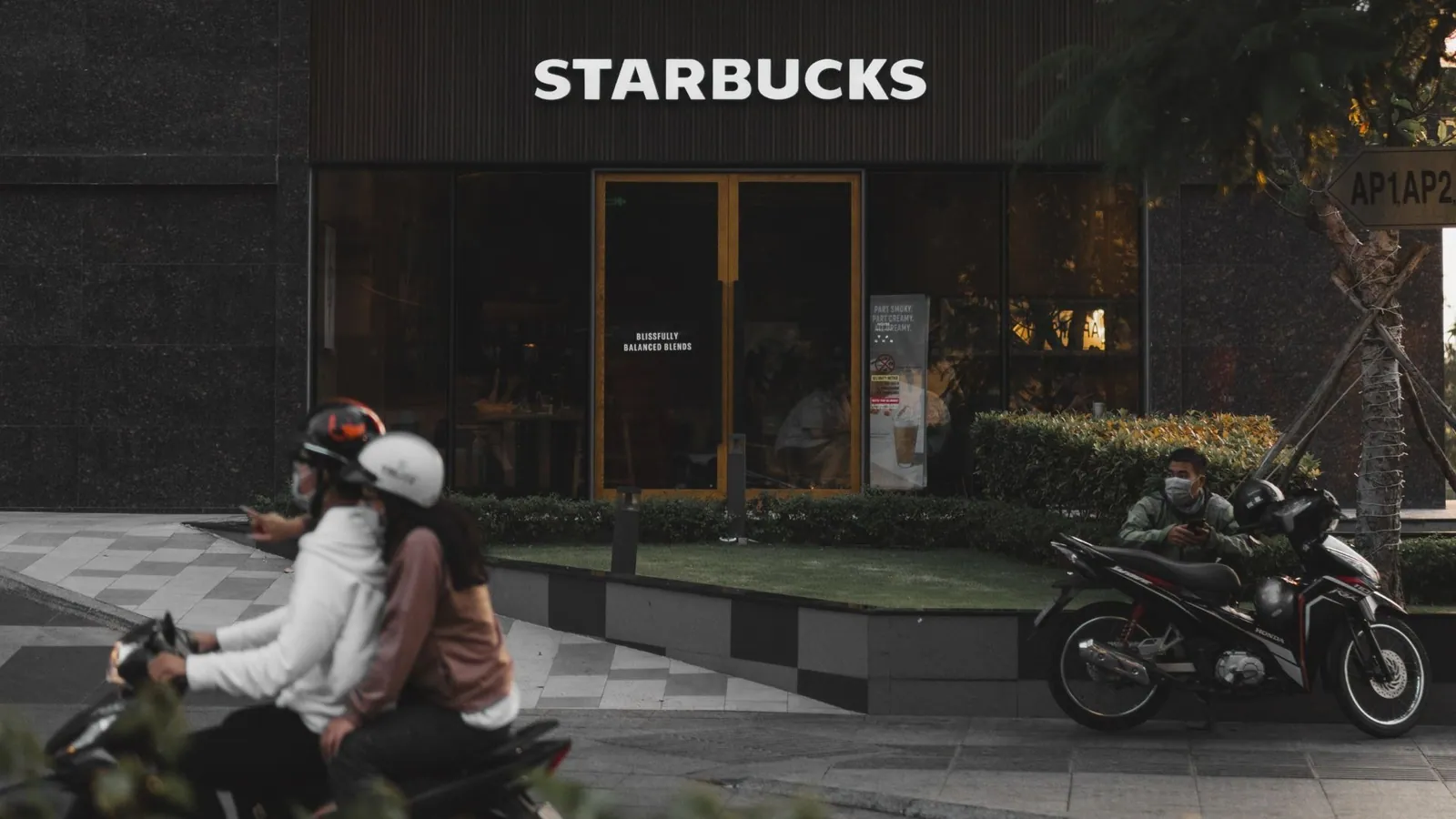
Starbucks’ journey in Vietnam is a reminder that a strong global brand is not enough in a market with deep cultural ties to your product. The brands that win understand and respect local culture and build it into the product.
- Adapt the product to local taste, not just the marketing. Local flavours and formats should be on the menu from day one.
- Price for the local economy. Know what everyday customers can pay, not just your target urban professionals.
- Choose the right format. Match how locals actually buy and consume, whether that is street-side, delivery or premium venues.
- Study local competitors. They have often already solved the localization puzzle you are facing.
- Use local expertise and market data before you scale, not after.
See how other global brands got it right in our case studies on McDonald’s and IKEA.
Frequently asked questions
Why did Starbucks fail in Vietnam?
Starbucks struggled because its arabica-based global menu didn’t match Vietnamese taste for strong robusta coffee with condensed milk, its prices were several times higher than local coffee, its premium store format didn’t fit Vietnam’s street-café culture, and strong local chains such as Highlands Coffee offered local flavours at lower prices.
Is there Starbucks in Vietnam?
Yes. Starbucks has operated in Vietnam since 2013, with stores mainly in Ho Chi Minh City and Hanoi, including Starbucks Reserve stores.
How many Starbucks are in Vietnam?
Starbucks opened its 150th store in Vietnam on 1 January 2026. It had about 100 stores in 2023 and 125 in January 2025.
How much is a cup of coffee in Vietnam?
A street-stall iced coffee with condensed milk typically costs VND 15,000 to 20,000, local cafés rarely charge more than VND 40,000, and a Starbucks latte costs about VND 70,000, according to reporting in January 2026.
What is the most popular coffee chain in Vietnam?
By store count, Milano Coffee has about 2,500 outlets and Highlands Coffee has 985 stores, making them far larger than Starbucks. Phuc Long, Trung Nguyen and Katinat are also popular.
What coffee do Vietnamese people drink?
Most Vietnamese coffee uses robusta beans brewed through a phin filter. The most popular drink is cà phê sữa đá, iced coffee with sweetened condensed milk, alongside specialities such as egg coffee and coconut coffee.

River Chan is a marketing director of ToAsia.biz with over 10 years of experience in marketing, from strategic planning and project execution to data analysis across different industries.
Sources: BBC (2023), Tuoi Tre News (January 2026), The Korea Times (January 2026), Momentum Works via VnEconomy (March 2026), Vietnam General Statistics Office via VnExpress (2025).